

I answer 6 tough questions about why new launches fail to excite existing customers, even when the original brand is thriving.
I see this pattern often when the launch narrative never clarifies what changes and what stays reassuringly the same. Habit is powerful, and without a bridge from old to new, existing customers feel no reason to switch. Many launches talk about features, yet skip the everyday moments where the upgrade truly matters. If the before and after is fuzzy, attention scatters … and adoption stalls.
Look at your most loyal cohorts first, not the whole market, because early signals hide in familiar segments. If your loyalists are not sampling the new offer at all, you likely have a relevance gap. If they try once and do not repeat, the problem is usually value experience, not awareness. If they upgrade but downgrade within weeks, the friction sits in onboarding or expectations.
Check message recall in customer interviews using very plain prompts. Ask them to explain the upgrade in their own words, and listen for clarity of outcome, not feature recall. If their summary mirrors your intent, fatigue may be the culprit, so vary channels and formats. If their summary drifts, you have an audience mismatch that needs reframing
Status quo bias is real, and people protect what already works for them. Better is rarely enough if it introduces anxiety, complexity, or loss of familiar rituals. They fear hidden costs like new learning time, broken shortcuts, or incompatibility with their routines. Unless you de risk the switch, habit will win.
Anchor the upgrade in a reassuring narrative that starts where they are. Name what remains unchanged, emphasise continuity, and prove the upside with quick wins. Provide a test drive that preserves the old setup, so there is no penalty for trying. When switching costs are lower than the perceived gain, adoption rises.
Split the story into two arcs … a continuity arc for loyalists and a discovery arc for newcomers. For loyalists, highlight preserved strengths first, then present the from to promise with concrete outcomes. For newcomers, lead with the category problem, then show why your approach is credibly different. The core claim stays the same, but the entry point shifts.
Build a single narrative spine with modular proof points. Create versions for email, in product prompts, and service scripts that speak in the customer’s language. Use side by side visuals of old versus new to reduce cognitive load. Keep the tone calm, specific, and confident … not hypey.
Discounts can spike trials, but they often erode perceived value with your best customers. A smarter path is loyalty first incentives like early access, upgrade credits, or exclusive onboarding help. Reward tenure, not just speed, and frame benefits as earned status. You want advocacy, not bargain hunting.
If you must price promote, tie it to learning milestones. Offer the incentive when users complete activation moments that prove value. For services, bundle a short consultation to reduce risk and increase confidence. Make the deal feel like momentum, not desperation.
Define the roles in your portfolio clearly … what is the hero, what is the specialist, and what is the stepping stone. Use a Good Better Best architecture so customers can self select the right fit. Keep the legacy offer stable while you seed the new one into precise use cases. Avoid muddled middle variants that blur choices.
Design migration paths with grace. Provide bundles, trade ins, and sunset plans that honour existing loyalty. Communicate timelines early, with options that preserve control. Cannibalisation is far less risky when customers feel respected and guided.
Track adoption within known cohorts, not just total sales. Key signals include repeat purchase rate of the new offer within loyal segments, cross sell ratio, and time to second use. Watch activation events that predict habit forming behaviour. Set 30, 60, and 90 day gates to see whether curves are steepening.
Pair numbers with qualitative checks. Monitor support tickets for fewer confusion themes and more how do I do X questions. Read open text in surveys for language that mirrors your narrative. When customers explain the upgrade the way you do, you are on the right track.
If these questions sound familiar, your issue is less about noise and more about narrative and migration design. Start by clarifying the from to promise in everyday language. Then remove switching friction with trials, tutorials, and continuity cues. With a few precise shifts, you can turn loyalty into lift, not drag.

“I take up work for leaders and brands through a 5-Day Assignment designed to create movement quickly and precisely. How I work is outlined here.”
Shobha Ponnappa
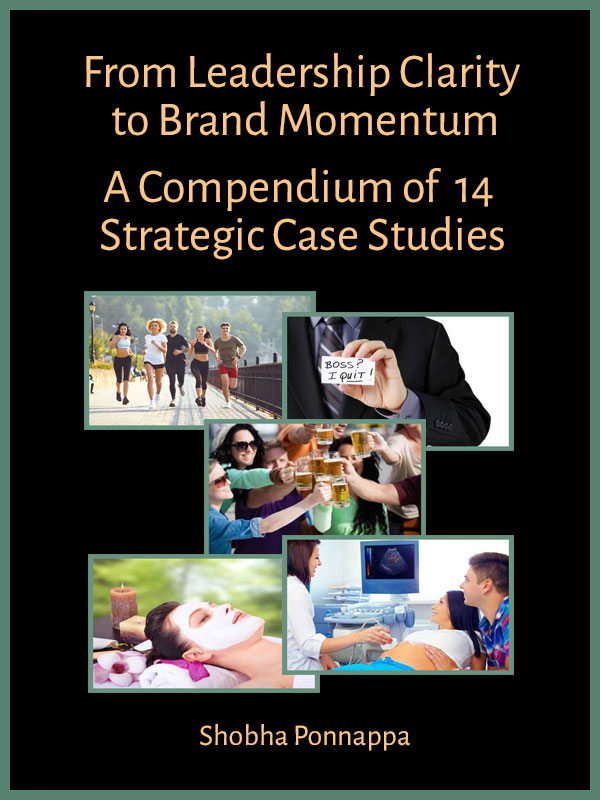
Download the 14-case collection and receive weekly insights on leadership articulation and brand momentum.
Get my free Case Studies Compendium. See how breakthrough ideas drive C-Suite articulation and brand movement.
You’ll also get my weekly Breakthrough Thinking newsletter, where I examine real situations across leadership and brands, and defining shifts.
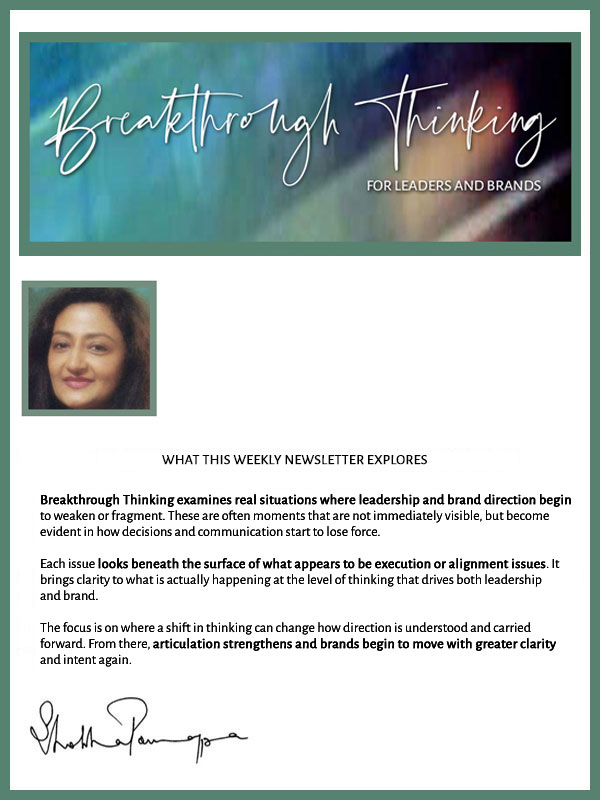
Just fill in the form to subscribe. Stay connected to how this thinking continues to evolve and unfold over time and across situations.