
I helped a boutique UK job portal recognise that the next workforce wave wasn’t salaried … it was gig-driven.
This boutique UK career platform had once carved a niche in connecting well-qualified candidates to curated mid- and senior-level roles across English-speaking international markets. It wasn’t a mass-market portal … it was known for quality listings, credibility, and strong employer networks. But by 2022, traction was dipping. Candidate logins were stagnating. Recruiter listings were fewer. The brand hadn’t lost trust … it had lost relevance.
It still clung to an outdated hiring model: salaried jobs, corporate structures, and fixed roles. Yet the world had moved. Post-pandemic, millions of professionals were choosing freelancing, remote consulting, project-based contracts, and creator income. The site had no place for them. It had been built for a corridor when the world had moved into a maze of options.
The employment story was no longer about employment at all. It was about income-building. With rising levels of underemployment and the rapid growth of the freelance economy, the career journey had fractured. People were designing their own portfolios, finding work on platforms, and blending gigs, content, and part-time consulting.
Yet this platform spoke only to the old-school mindset of HR departments. It framed people as job-takers, not value-givers. Its taxonomy of job filters had no field for creator roles, fractional mandates, or digital-first income streams. It had mapped an economy that no longer existed.
I recommended they reframe their identity entirely. No longer a “career portal,” they would become a “Work Discovery Ecosystem.” This meant shifting their posture from gatekeeping jobs to curating flexible opportunities. The idea was to become a platform that legitimised the gig wave, giving freelancers, consultants, and creators the same tools and trust that salaried job-seekers expected.
Their new identity would include structured entry-points for emerging career identities … from design freelancers and content creators to remote tech consultants and fractional CFOs. Instead of tracking job titles, they’d track value roles.
I rebuilt the brand framework around inclusivity and adaptability. The homepage now offered multiple entry-points: “Find a Full-Time Job,” “Find a Freelance Project,” “Find Remote Work,” and “Offer Your Skills.” Onboarding was redesigned to allow applicants to define themselves as independent, hybrid, or salaried professionals.
Filters were renamed to reflect new realities: “Revenue Share,” “Equity + Advisory,” “Short-Term Retainer,” and “Project Mandate.” Recruiters were nudged to offer flexible structures. Language shifted from job security to income agility.
Here are 10 strategic ideas developed (and several executed) to support the new brand direction:
Mini-Documentary Series: Highlighting real-life freelancers and hybrid professionals finding new ways to earn.
Interactive Career Identity Quiz: Helping users explore whether they’re job-seekers, creators, consultants, or hybrids.
Weekly Gig Alerts: Emailers with handpicked freelance and project-based listings in emerging categories.
Creator Economy Hub: A branded blog with advice on monetising content, consulting, and community-based work.
Social Media Campaign: On Instagram and LinkedIn featuring “My Independent Journey” stories.
Work Marketplace Reels: Showcasing available gigs with a rapid-fire visual teaser format.
Freelancer Toolkit Downloads: Including proposal templates, rate cards, and contract checklists.
Client Case Study Library: Showing brands who succeeded with flexible hiring and project-based talent.
Podcast Series: Interviewing modern earners on how they built multi-income lives.
Online Webinar Series: For first-time gig workers on pricing, outreach, and building credibility online.
34% increase in user registrations marked as “freelancer” or “hybrid.”
27% increase in gig-based job postings by recruiters and startups.
3X average session time from independent earners browsing non-salaried listings.
Brand coverage in two national business publications about its gig-economy relaunch.
CONFIDENTIALITY CAVEAT: This case study represents a confidential engagement. For privacy, specific brand identifiers, campaign names, and project phases have been withheld. It has been shared with permission while preserving client discretion.

“Brand momentum rarely returns through optimisation or activity. It returns through a breakthrough idea that recentres the brand and restores forward movement.”
Shobha Ponnappa
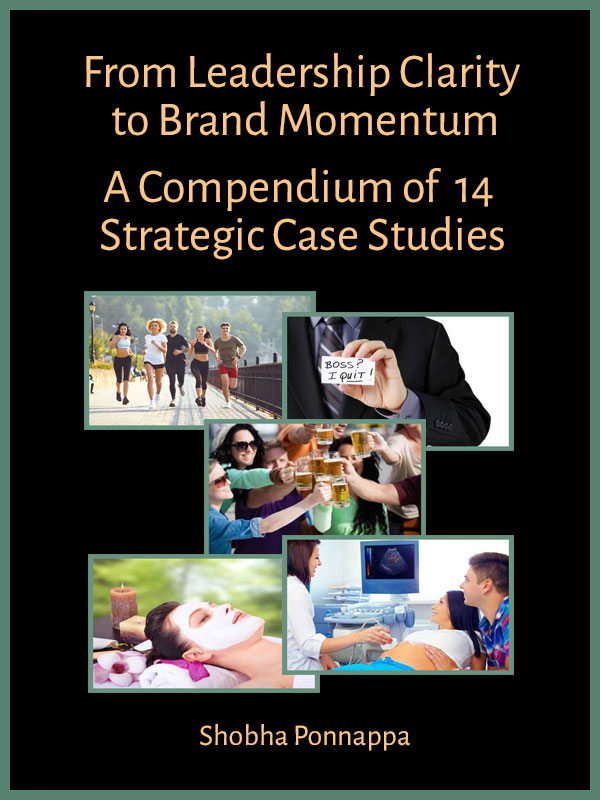
Download the 14-case collection and receive weekly insights on leadership articulation and brand momentum.
Get my free Case Studies Compendium. See how breakthrough ideas drive C-Suite articulation and brand movement.
You’ll also get my weekly Breakthrough Thinking newsletter, where I examine real situations across leadership and brands, and defining shifts.
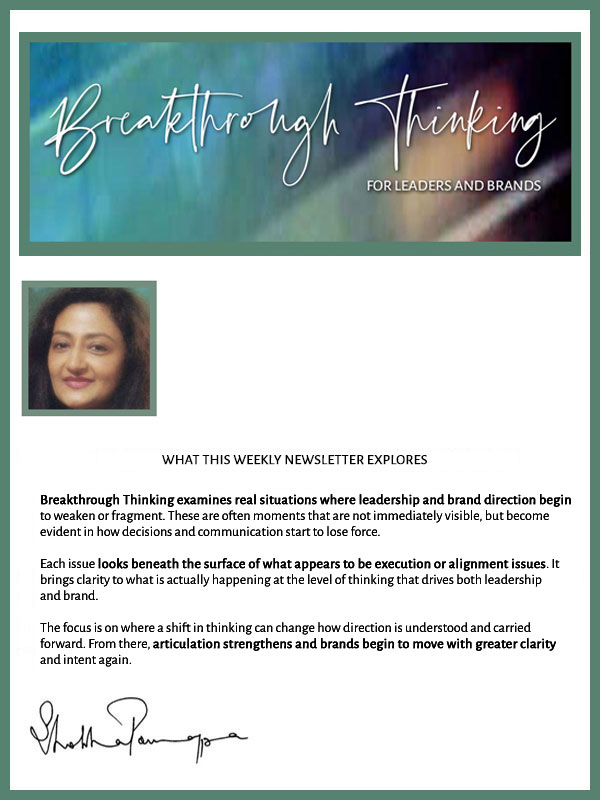
Just fill in the form to subscribe. Stay connected to how this thinking continues to evolve and unfold over time and across situations.